
Logistics jobs netherlands for non eu opens up a world of opportunities for those eager to dive into a thriving sector known for its strategic importance in global trade. The Netherlands stands out as a logistics hub in Europe, boasting a robust infrastructure and a vibrant job market that welcomes non-EU citizens. With a plethora of roles ranging from warehouse management to supply chain analytics, the landscape is rich with possibilities for aspiring professionals looking to make their mark.
In recent years, the logistics sector has seen a surge in demand, with statistics indicating that numerous positions are available specifically for non-EU applicants. As businesses expand their operations, the need for skilled workers who can navigate the complexities of logistics grows, offering a chance for international talent to contribute and thrive in this dynamic environment.
Overview of Logistics Jobs in the Netherlands
The logistics sector in the Netherlands plays a crucial role in the European and global supply chain, accounting for a significant portion of the country’s economy. As a central hub for trade and transportation, the Netherlands is home to some of the busiest ports and airports in Europe, making it an attractive destination for professionals seeking opportunities in logistics. The demand for skilled workers in this sector remains consistently high, especially for non-EU citizens who are looking for career advancements in this vibrant industry.
The logistics industry is not only pivotal to the economy but also continuously evolving with technological advancements and changing consumer behaviors. In recent years, the sector has witnessed robust growth, with various reports indicating that the Netherlands offers thousands of job opportunities in logistics, particularly for non-EU applicants. According to recent statistics, the logistics sector is expected to generate over 75,000 new jobs by 2025, emphasizing the need for a diverse workforce to fill these positions.
Types of Logistics Positions Available for Non-EU Applicants
The logistics sector in the Netherlands encompasses a wide range of job roles suited for different skill sets and qualifications. With the global e-commerce boom and rising demand for efficient supply chain management, non-EU citizens can explore diverse job opportunities. Here are some of the key positions available:
- Warehouse Operatives: These professionals handle the day-to-day operations within logistics warehouses, including inventory management, order processing, and packaging.
- Logistics Coordinators: Tasked with overseeing the supply chain operations, logistics coordinators ensure smooth transportation and delivery of goods, often acting as a liaison between suppliers and customers.
- Supply Chain Managers: These managerial roles involve strategic planning and management of the supply chain processes, requiring analytical skills and experience in logistics.
- Transport Planners: Responsible for developing transportation strategies, transport planners evaluate routes, costs, and schedules to optimize delivery efficiency.
- Freight Forwarders: Freight forwarders coordinate the movement of goods for businesses, handling paperwork, customs clearance, and negotiations with shipping lines.
- Data Analysts: With an increasing emphasis on data-driven decisions, data analysts in logistics analyze trends and performance metrics to enhance operational efficiency.
The demand for these positions is fueled by the Netherlands’ geographical advantages and its advanced logistics infrastructure. The country’s strategic location, with proximity to major European markets, supports the need for a skilled workforce, particularly from non-EU countries. Many companies are also willing to sponsor work visas for qualified non-EU candidates, further expanding the opportunities available in this thriving sector.
“The logistics sector in the Netherlands is set to witness a dynamic evolution, driven by innovation and global trade demands, creating ample opportunities for skilled professionals.”
Visa and Work Permit Requirements
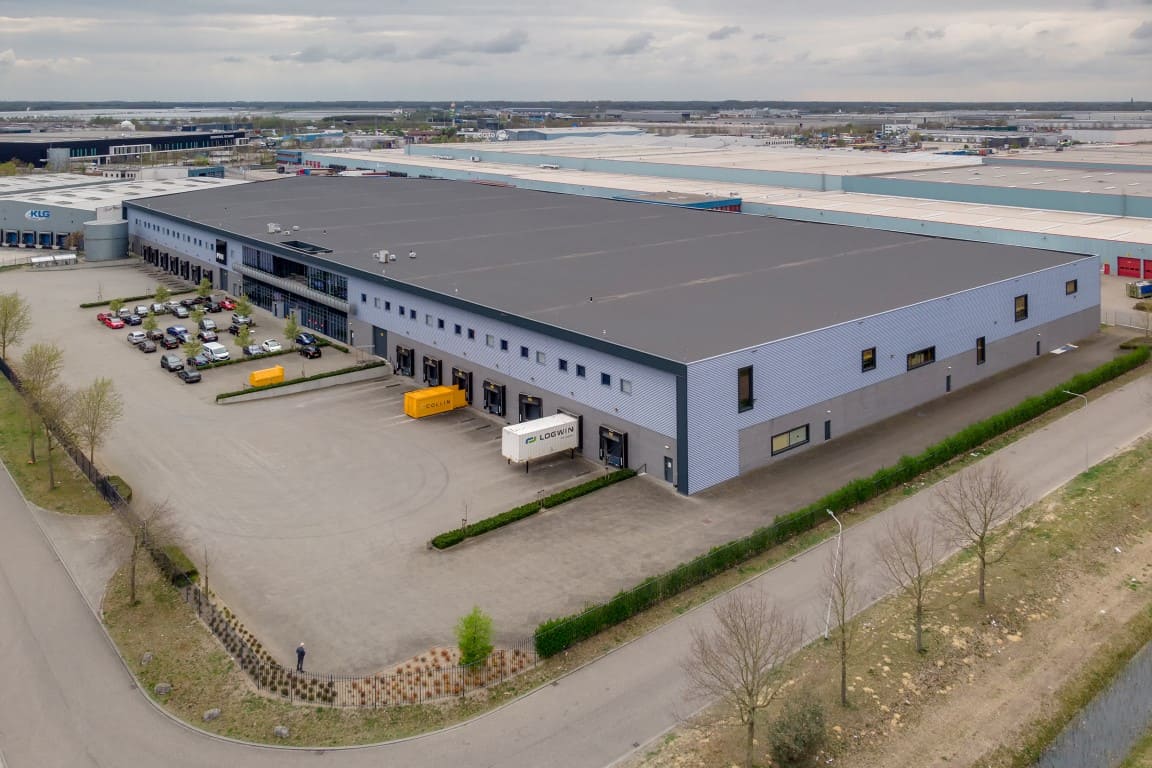
For non-EU workers seeking logistics jobs in the Netherlands, understanding visa and work permit requirements is crucial. The Dutch government has set specific regulations to manage the influx of international workers, ensuring that job opportunities are prioritized for local citizens. Here’s a comprehensive guide to navigating this process.
Obtaining a work visa for logistics jobs in the Netherlands involves several essential steps, each designed to ensure that both the employer and the employee comply with Dutch immigration laws. Non-EU applicants must adhere to the formalities Artikeld by the Dutch immigration authorities, which can be intricate but manageable with clear guidance.
Steps to Obtain a Work Visa for Logistics Jobs
The process for acquiring a work visa generally follows these key steps:
1. Job Offer: Secure a job offer from a Dutch employer who is willing to sponsor your visa application.
2. Employer Application: The employer applies for a work permit (TWV) on your behalf through the Employee Insurance Agency (UWV).
3. Collect Required Documents: Prepare necessary documents which typically include a valid passport, employment contract, and proof of qualifications.
4. Visa Application: Once the TWV is approved, apply for a residence permit and work visa through the Dutch consulate or embassy in your home country.
5. Await Processing: Processing times can vary; it is essential to check current timelines to plan your move.
6. Travel to the Netherlands: Once approved, you can travel to the Netherlands and commence your employment.
Specific Permits Needed for Non-EU Workers
Non-EU workers in the logistics field require specific permits to work legally in the Netherlands. The primary permits include:
– TWV (Work Permit): Mandatory for most categories of employment, specifically for non-EU nationals.
– Residence Permit: Necessary alongside the work permit, allowing the employee to live and work in the Netherlands.
These permits ensure that non-EU workers can contribute to the Dutch economy while adhering to immigration regulations.
Comparison of Different Visa Options for Non-EU Applicants
Several visa options cater to non-EU applicants based on their qualifications and employment status. Here’s how they compare:
| Visa Type | Description | Eligibility Criteria |
|——————————-|——————————————————-|——————————————————–|
| Highly Skilled Migrant Visa | Designed for highly qualified professionals. | Must meet salary thresholds and possess relevant qualifications. |
| Intra-Company Transfer Visa | For employees transferred within a multinational company. | Must be employed by a foreign company with a branch in the Netherlands. |
| Seasonal Work Visa | For temporary workers in sectors like agriculture and hospitality. | Limited to specific job roles and durations. |
| Start-up Visa | For entrepreneurs looking to start a business. | Must have a viable business plan and sufficient financial resources. |
Each visa type serves different employment situations, allowing flexibility for non-EU applicants in the logistics sector.
“Understanding visa requirements is essential for a smooth transition into the Dutch workforce.”
Navigating the visa landscape can be challenging, but with the right information and preparation, non-EU workers can successfully secure their place in the thriving logistics industry in the Netherlands.
Skills and Qualifications Required
In the competitive logistics sector of the Netherlands, employers are on the lookout for candidates who possess a specific set of skills and qualifications. These requirements not only enhance the efficiency of logistics operations but also ensure compliance with international standards and local regulations. For non-EU candidates aspiring to carve a niche in this dynamic field, understanding these essential skills and qualifications is paramount for improving their job prospects.
Logistics roles can vary significantly, from supply chain management to warehouse operations, and each position demands unique competencies. Below are some of the key skills sought by employers in the logistics sector, along with the educational qualifications and certifications that can further enhance one’s career opportunities.
Key Skills for Logistics Roles
Employers in the logistics sector prioritize specific skills that contribute to effective supply chain management and operational efficiency. The following skills are particularly valued:
- Analytical Thinking: The ability to analyze data, assess operational efficiencies, and make informed decisions is crucial.
- Communication Skills: Effective communication with suppliers, customers, and team members is essential for smooth operations.
- Problem-Solving: Identifying issues and implementing solutions in a timely manner is vital in logistics.
- Technical Proficiency: Familiarity with logistics software and tools, such as warehouse management systems (WMS) and transportation management systems (TMS), is increasingly important.
- Attention to Detail: Precision in inventory management and documentation minimizes errors and enhances productivity.
Educational Qualifications for Logistics Jobs
The educational background required for logistics roles can vary based on the position’s complexity. Generally, a relevant degree is preferred. Here are common qualifications seen in the industry:
- Bachelor’s Degree: Many logistics positions require a degree in logistics, supply chain management, business administration, or a related field.
- Associate Degree: For entry-level positions, an associate degree in logistics or a similar field can be sufficient.
- Master’s Degree: Advanced roles may necessitate a Master’s in logistics, supply chain management, or business administration, particularly for leadership positions.
Certifications to Enhance Job Prospects
Certifications can significantly improve a candidate’s employability in the logistics field. They demonstrate a commitment to the profession and a depth of knowledge. The following certifications are highly regarded:
- Certified Supply Chain Professional (CSCP): Offered by APICS, this certification focuses on the entire supply chain, including planning, execution, and control.
- Certified Logistics Associate (CLA): This certification is ideal for entry-level logistics professionals, covering foundational logistics concepts.
- Lean Six Sigma Certification: Understanding lean principles and six sigma methodologies can enhance process efficiency and quality management in logistics.
- International Society of Logistics (SOLE) Certification: Specializing in logistics and supply chain management, this certification validates expertise in the field.
“Certifications not only enhance your resume but also give you a competitive edge in the job market.”
Job Search Strategies for Non-EU Applicants
Finding a logistics job in the Netherlands as a non-EU applicant can be a challenging yet rewarding journey. With the right strategies and resources, you can effectively navigate the job market and secure a position in this thriving industry. The following sections provide valuable insights into job portals, networking methods, and how to customize your application materials for success in the Dutch logistics sector.
Effective Job Portals for Logistics Positions
Utilizing specialized job portals can significantly enhance your job search. These platforms cater specifically to logistics careers and often have sections dedicated to non-EU applicants. Below is a curated list of effective job portals that can help you find opportunities in the Netherlands:
- LinkedIn – A powerful networking platform where you can find logistics job listings and connect with industry professionals.
- Indeed.nl – Offers a wide range of logistics job postings, specifically in the Netherlands, and allows filtering by visa sponsorship options.
- Monsterboard.nl – A popular job search engine in the Netherlands, with many logistics-related positions available.
- LogisticsJobs.nl – Specializes in logistics and supply chain roles, providing listings tailored to various skill levels.
- Glassdoor – Not only can you find job listings, but you can also read company reviews and get insights into the hiring processes.
- Jobbird.com – Features numerous logistics vacancies and provides tools for tracking your application status.
Networking Methods to Connect with Employers, Logistics jobs netherlands for non eu
Building a professional network is essential for job seekers, especially in the logistics sector. Developing connections can lead to job referrals and insider information about openings. Here are some effective networking methods to consider:
- Attend industry events and trade shows in the logistics field to meet potential employers and other professionals.
- Join online forums and social media groups focused on logistics in the Netherlands to engage in discussions and share insights.
- Utilize LinkedIn to connect with industry leaders, recruiters, and alumni from your educational background.
- Participate in professional associations related to logistics, such as the Dutch Association for Logistics (NEVI), which often holds networking events.
- Seek informational interviews with professionals in your target companies to gain valuable insights and express your interest in potential job openings.
Tailoring Resumes and Cover Letters for the Dutch Market
To stand out in the competitive logistics job market, it is crucial to tailor your resume and cover letter specifically for the Dutch context. Here are key considerations for creating effective application materials:
- Use a clear, concise format that highlights your relevant experience, skills, and achievements in logistics.
- Include specific s from the job description to align your application with the employer’s requirements.
- Emphasize your language skills, especially Dutch or English proficiency, as communication is vital in logistics roles.
- Showcase your understanding of the local logistics industry, including knowledge of regulations and market trends.
- Demonstrate your adaptability and willingness to embrace cultural differences, as this is often valued by Dutch employers.
“Tailoring your resume and cover letter can significantly increase your chances of getting noticed by employers in the Netherlands.”
FAQ Insights: Logistics Jobs Netherlands For Non Eu
What types of logistics jobs are available for non-EU citizens?
Non-EU citizens can apply for a variety of logistics positions, including supply chain coordinators, warehouse managers, transport planners, and logistics analysts.
Do I need a specific degree to work in logistics in the Netherlands?
While a degree in logistics, supply chain management, or business can be beneficial, many positions also value practical experience and industry certifications.
What is the average salary for logistics jobs in the Netherlands?
The average salary varies by position but typically ranges from €30,000 to €60,000 annually, depending on experience and role complexity.
How can I improve my chances of getting hired in the logistics sector?
Enhancing your resume with relevant skills, obtaining certifications, and networking through industry events can significantly improve your chances of landing a job.
Are there language requirements for logistics jobs in the Netherlands?
While many companies operate in English, knowing Dutch can give you a competitive edge and may be required for some positions.
Do not overlook explore the latest data about visa sponsorship jobs netherlands.
Obtain recommendations related to netherlands jobs for immigrants work in netherlands that can assist you today.

