
Jobs in netherlands for non eu citizens is a topic brimming with possibilities and opportunities. The Netherlands is not just known for its picturesque canals and tulip fields but also for its welcoming stance towards non-EU professionals seeking employment. With a diverse job market and various industries actively looking for talent, non-EU citizens can find their niche in this vibrant European country.
The job landscape here is dynamic, featuring sectors such as technology, engineering, healthcare, and more that are eager to recruit skilled individuals from outside the EU. Understanding the requirements, including visa processes and job search strategies, is essential for making this dream a reality. Whether you’re a seasoned professional or a recent graduate, this guide aims to equip you with the knowledge you need to navigate your job search in the Netherlands.
Job Opportunities for Non-EU Citizens in the Netherlands: Jobs In Netherlands For Non Eu Citizens
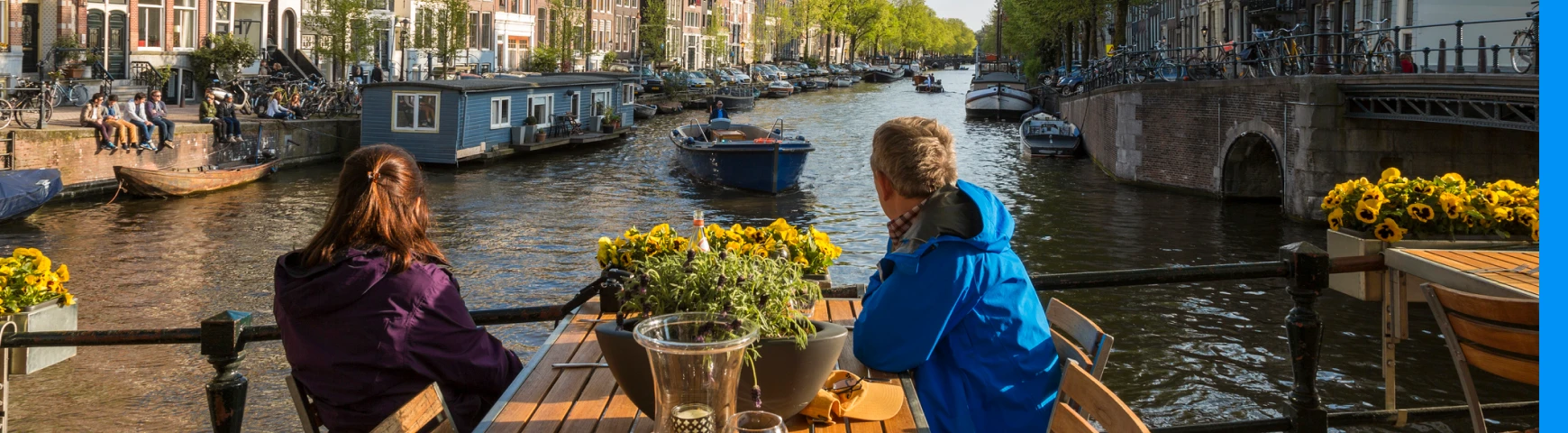
Finding job opportunities as a non-EU citizen in the Netherlands can be an exciting journey filled with diverse options. The Dutch job market is known for its openness and demand for skilled professionals, making it a favorable destination for individuals looking to build their careers abroad. With a strong emphasis on innovation and various booming industries, non-EU citizens have a fair chance of landing their dream jobs in this vibrant country.
In the Netherlands, there are numerous sectors actively seeking talent from outside the EU. These sectors not only offer a variety of roles but also welcome individuals with different skill sets. The job landscape is characterized by a mix of traditional industries and emerging fields that are continuously evolving. Non-EU job seekers should focus on acquiring the right qualifications and skills that align with the demands of these industries to enhance their job prospects.
Industries Recruiting Non-EU Workers
Several industries in the Netherlands are renowned for their willingness to recruit non-EU citizens. Understanding these sectors can significantly improve your chances of employment. The following industries have shown a consistent need for international talent:
- Information Technology (IT): The tech industry is thriving, with a high demand for software developers, data analysts, and cybersecurity experts. Companies like ASML and Booking.com are notable players seeking skilled tech professionals.
- Engineering: With a strong focus on innovation, engineering roles in mechanical, civil, and electrical fields are highly sought after, especially in companies working on sustainable technologies.
- Healthcare: There is a substantial need for medical professionals, particularly nurses and specialists, due to an aging population and increased healthcare demands.
- Finance and Business Services: The financial sector in cities like Amsterdam is flourishing, requiring professionals in banking, accounting, and financial analysis.
- Education: International schools and universities often seek qualified teachers and lecturers to support their diverse student bodies.
Skills and Qualifications in High Demand
To secure a position in the Netherlands, non-EU citizens should focus on developing specific skills and qualifications that are currently in demand. Employers are often looking for candidates who possess both technical expertise and soft skills. Here are some of the most sought-after skills:
- Technical Skills: Proficiency in programming languages (such as Python, Java, and C#) and familiarity with cloud technologies are crucial for IT roles.
- Language Proficiency: While English is widely spoken, knowledge of Dutch can be a great asset, especially in customer-facing roles.
- Adaptability: The ability to adjust to new environments and work collaboratively in multicultural teams is valued by employers.
- Project Management: Skills in managing projects using methodologies like Agile or Scrum are highly regarded in various industries.
- Analytical Thinking: The capacity to analyze data and draw insightful conclusions is essential, particularly in finance and tech sectors.
“By focusing on developing in-demand skills and targeting key industries, non-EU citizens can enhance their employability in the Netherlands.”
Visa and Work Permit Requirements
For non-EU citizens seeking employment in the Netherlands, understanding visa and work permit requirements is crucial. The process can be intricate, but with the right knowledge, it becomes manageable. This section breaks down the necessary steps and essential information to ensure a smooth transition into the Dutch workforce.
Process to Obtain a Work Permit
The work permit application process for non-EU citizens in the Netherlands involves several key steps, which are Artikeld below. It is important to follow the correct procedure to avoid any delays or complications.
1. Employer’s Role: The first step requires the employer to apply for a work permit on behalf of the employee. The employer must demonstrate that the job cannot be filled by a resident or EU candidate.
2. Work Permit Types: The most commonly required permit for non-EU citizens is the “Highly Skilled Migrant” permit, which is tailored for skilled professionals.
3. Supporting Documents: Applicants must submit various documents, including a valid passport, proof of qualifications, and a job offer or contract from a Dutch employer.
4. Application Submission: Once the employer has gathered all necessary documents, they submit the application to the Dutch Immigration and Naturalization Service (IND).
5. Processing Time: The IND typically processes work permit applications within a few weeks, but this can vary based on individual circumstances.
Types of Visas for Non-EU Job Seekers
Non-EU job seekers can apply for several types of visas, each tailored to different categories of employment. Understanding these visa types and their eligibility criteria is essential for a successful application.
| Visa Type | Duration | Eligibility Criteria | Application Process |
|---|---|---|---|
| Highly Skilled Migrant | Up to 5 years | Must have a job offer with a minimum salary requirement | Employer submits application to IND |
| Intra-Company Transfer | Up to 3 years | Must be employed by a company in the employee’s home country | Employer submits application to IND |
| Orientation Year Visa | 1 year | Graduates from top universities or researchers | Direct application by the individual to IND |
| Start-up Visa | 1 year | Must have an innovative business plan and an approved facilitator | Individual submits application to IND |
It is essential to select the right visa type based on your qualifications and job offers. Each visa has its specific requirements and processes, ensuring flexibility for various professional profiles.
Job Search Strategies for Non-EU Citizens
Finding a job as a non-EU citizen in the Netherlands can be a challenging yet rewarding journey. The landscape is filled with opportunities, especially in sectors that welcome international talent. Understanding the right strategies, tools, and cultural nuances can significantly enhance your job search experience. By leveraging specific job platforms, networking effectively, and customizing application materials, non-EU citizens can improve their chances of securing employment in this vibrant country.
Effective Job Search Platforms and Resources
Utilizing the right job search platforms is crucial for finding opportunities tailored for non-EU citizens. There are several specialized websites and resources that can aid in your job search. Here are some essential platforms to consider:
- Indeed Netherlands: A global job search engine that aggregates listings, including those open to non-EU citizens. It allows you to filter jobs based on visa sponsorship.
- LinkedIn: A powerful networking tool that not only lists job openings but also allows you to connect with recruiters and industry professionals. Tailor your profile to highlight your skills and experiences relevant to the Dutch market.
- Expatica Jobs: A job portal specifically designed for expatriates in the Netherlands, featuring listings that often cater to non-EU citizens.
- Job in Amsterdam: Focused on the vibrant Amsterdam job market, this site offers various listings that are welcoming to international applicants.
- Glassdoor: While known for company reviews, it also offers job listings and insights into company cultures, which can be beneficial when searching for a suitable employer.
Networking Methods for Non-EU Citizens
Networking is an invaluable skill for job seekers, especially in the Netherlands, where personal connections often play a significant role in the hiring process. Building a network can open doors to job opportunities not always advertised publicly. Here are effective methods to expand your professional network:
- Attend Meetups and Networking Events: Websites like Meetup.com host various professional gatherings where you can connect with others in your field, share experiences, and learn about job openings.
- Join Professional Associations: Many industries have associations that organize events and provide resources for networking. This can enhance your visibility in your professional community.
- Volunteer Opportunities: Engaging in volunteer work not only helps you gain local experience but also allows you to meet professionals who might lead you to job openings.
- Utilize Social Media: Platforms like LinkedIn and Twitter are excellent for engaging with companies and industry leaders. Follow organizations you’re interested in and participate in discussions to get noticed.
- Connect with Alumni: If you studied in the Netherlands or have any ties to Dutch universities, leveraging alumni networks can provide valuable connections and insights into the job market.
Customizing CV and Cover Letter for the Dutch Job Market
Creating a tailored CV and cover letter for jobs in the Netherlands is essential for making a strong impression on potential employers. Dutch employers value succinct and clear application materials that reflect your skills and cultural fit. Here are some key aspects to consider when customizing your application:
- CV Format: A typical Dutch CV is concise, often limited to one or two pages. Include relevant sections such as personal details, work experience, education, and skills. Use bullet points for clarity and to enhance readability.
- Language Skills: Highlight your language abilities, as bilingualism is often seen as a significant asset in the Dutch job market. If you’re proficient in Dutch, even at a basic level, mention it prominently.
- Cover Letter Personalization: Tailor your cover letter for each application, addressing the specific needs of the company and how your background fits their culture and values. Be sure to mention why you’re particularly interested in that employer.
- Include Relevant Experience: Focus on experiences that relate directly to the job you’re applying for. Use examples that demonstrate your skills and achievements, aligning them with the job description.
- Professional Formatting: Ensure that both your CV and cover letter are well-structured and free from errors. Use a clean, professional format, and maintain consistency in font and style.
Customizing your application materials and networking effectively can dramatically increase your chances of finding a suitable job in the Netherlands.
Living and Working in the Netherlands
The Netherlands is renowned for its high quality of life, progressive values, and vibrant work culture. Non-EU citizens looking to make their mark in this dynamic environment should familiarize themselves with the cultural aspects of working in the country, as well as the financial implications of living as an expatriate. Understanding these elements is crucial for a smooth transition and successful career abroad.
The work culture in the Netherlands is characterized by a flat hierarchy, open communication, and a strong emphasis on work-life balance. Colleagues often engage in direct communication, valuing honesty and transparency. Punctuality is appreciated, and meetings typically start on time. A collaborative spirit prevails in the workplace, where teamwork is encouraged and individual contributions are recognized. Non-EU workers should also be aware of the Dutch concept of “gezelligheid,” which reflects a cozy and inviting atmosphere that extends to workplace relationships.
Cultural Aspects of Working in the Netherlands
Adapting to the cultural landscape can significantly influence a non-EU citizen’s experience. Here are key cultural aspects to consider:
- Direct Communication: Engage in open and straightforward dialogues with colleagues; this is seen as a sign of respect.
- Work-Life Balance: The Dutch prioritize personal time, hence overtime is less common compared to other countries.
- Equality: Hierarchical structures are minimal; employees at all levels are encouraged to contribute ideas.
- Consensus Decision-Making: Decisions are often made collaboratively, considering the opinions of all stakeholders.
Cost of Living and Essential Expenses for Expatriates, Jobs in netherlands for non eu citizens
Understanding the cost of living is essential for financial planning. The Netherlands offers a high standard of living, but this comes with its own set of expenses. Below is an overview of typical monthly costs that expatriates may encounter:
- Housing: Rent for a one-bedroom apartment in the city center can range from €1,200 to €2,000.
- Utilities: Expect monthly utility bills (electricity, heating, cooling, water, garbage) to be around €150 to €250.
- Groceries: A single person’s monthly grocery expenses can be approximately €250 to €350.
- Transportation: A public transport pass can cost around €90 per month, while owning a car incurs additional costs including insurance and fuel.
- Healthcare: Health insurance is mandatory and costs approximately €100 to €150 per month.
Local Resources and Support Systems for Non-EU Workers
Navigating a new country can be challenging, but the Netherlands provides various resources to support non-EU citizens in their work and daily lives. Here is a list of valuable local resources:
- Expat Centers: Local expat centers offer guidance on housing, legal matters, and integration into Dutch society.
- Networking Events: Numerous organizations host events where non-EU citizens can connect with professionals and expand their networks.
- Language Courses: Many institutions provide Dutch language classes, which are key to integrating into the workplace and society.
- Employment Agencies: Specialized agencies assist with job placements tailored for expatriates.
- Community Groups: Various expat groups offer social support and practical advice on living in the Netherlands.
Quick FAQs
What types of jobs can non-EU citizens apply for in the Netherlands?
Non-EU citizens can apply for jobs in various sectors, including technology, engineering, healthcare, and education, among others, where there is a demand for skilled professionals.
How long does it take to get a work permit as a non-EU citizen?
The processing time for work permits can vary, but it generally takes between 8 to 12 weeks, depending on the specific circumstances and type of application.
Are there any language requirements for jobs in the Netherlands?
While many companies operate in English, especially in international environments, knowing Dutch can enhance job prospects and integration into the workplace.
Can I bring my family with me if I get a job in the Netherlands?
Yes, if you obtain a work permit, you may be eligible to bring your family members along, subject to specific visa criteria and requirements.
What resources can help non-EU citizens find jobs in the Netherlands?
Non-EU citizens can utilize job search platforms such as LinkedIn, Indeed, and specialized recruitment agencies, as well as networking events and expat groups for job opportunities.

